In many strata buildings across Sydney and Parramatta, cladding is easy to ignore. It sits quietly on the outside, doing its job without much thought until something brings it into focus. A defect report. A fire safety concern. A sudden spike in repair costs.
That’s usually when the questions start.
What exactly is it? Why does it matter so much? And who is actually responsible for it?
For strata committees and Owners Corporations, understanding cladding isn’t just about ticking a box. It’s about protecting the building, the people in it, and the financial health of the scheme.
What Is Cladding?
Cladding is the outer layer attached to a building. It wraps around the structure like a protective shell, sitting on top of the main framework. It doesn’t hold the building up but it does a lot of heavy lifting in other ways.
The cladding definition in construction is fairly simple. It refers to materials used to cover external walls for protection and finish. In practice, though, it does more than that. It keeps the weather out, helps regulate temperature, and gives the building its overall look.
In most strata properties, cladding forms part of the common property. That means decisions around it: repairs, upgrades, compliance usually sit with the Owners Corporation.
What Is Cladding on a Building?
When people ask what is cladding on a building, they’re often thinking about what they can see.
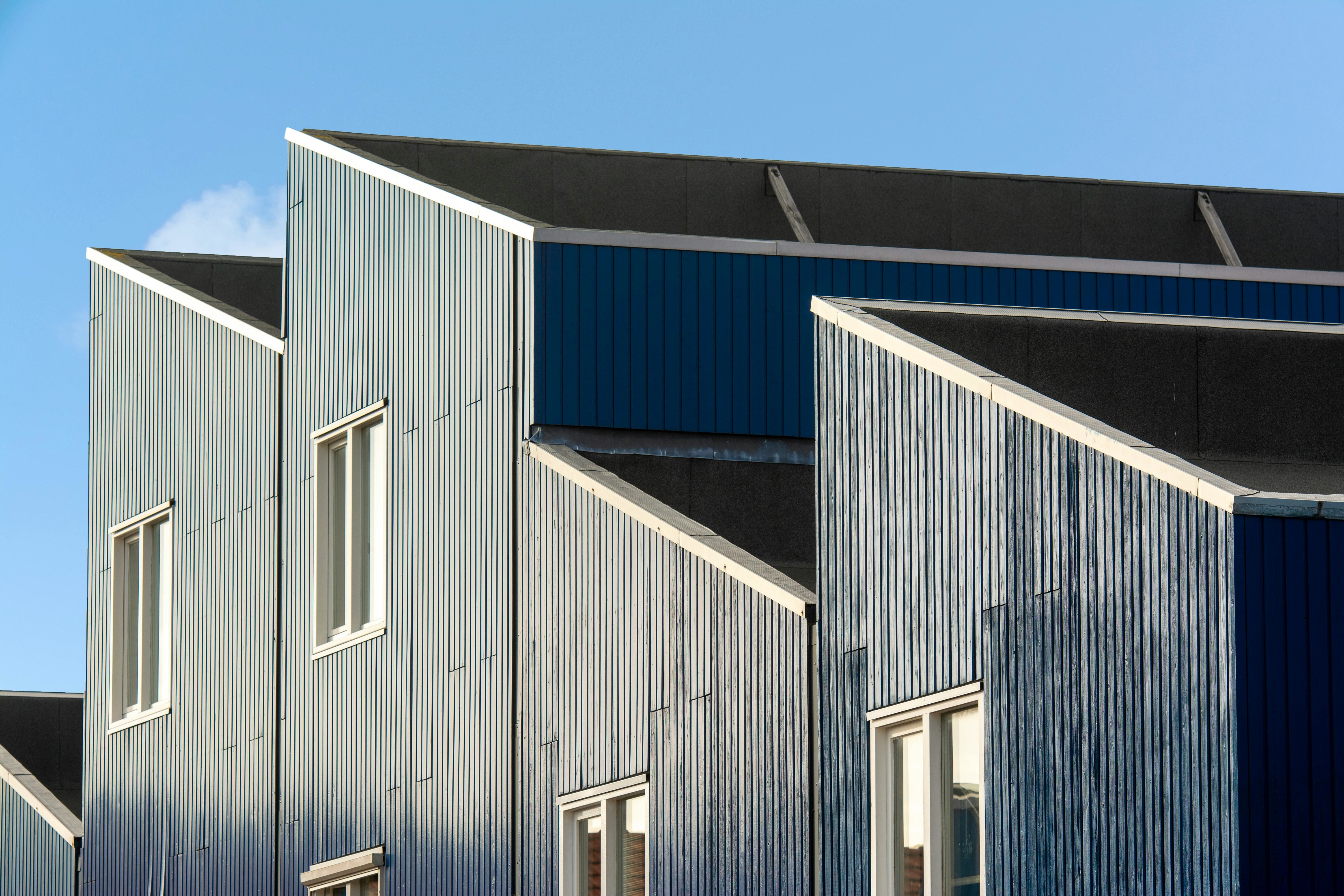
Stand outside an apartment block and look up. The panels, finishes, and textures that cover the exterior walls are the cladding. It might be sleek metal panels, painted fibre cement sheets, or even timber-style finishes.
You’ll typically find it across:
-
External walls
-
Balcony exteriors
-
Façade features
-
Entry surrounds
A well-designed cladding building system ties the whole structure together visually, but it’s not just there to look good. It plays a practical role in protecting what’s underneath.
And that’s where things get more interesting.
Cladding Meaning in Construction
The cladding in construction goes beyond surface-level design.
It’s really about performance. How well does the building hold up over time? How does it deal with weather, temperature, and wear?
If you’re wondering what is cladding in construction, it helps to think of it as a barrier—one that stands between the building and everything outside.
Common materials include:
-
Aluminium composite panels
-
Fibre cement boards
-
Timber or composite cladding
-
Brick veneer
-
Glass systems
Each one behaves differently. Some handle moisture better. Others provide stronger insulation. Some look great but require more upkeep.
And in recent years, some have raised serious safety concerns, especially when it comes to fire risk.
Why Cladding Is Important
Cladding doesn’t always get credit for what it does, but without it, buildings would struggle.
It Keeps the Weather Out
Rain, wind, heat—cladding takes the brunt of it. It protects the internal structure from constant exposure, helping prevent damage that can build up over time.
It Helps Control Temperature
Good cladding works with insulation to keep indoor spaces more stable. Less heat creeping in during summer. Less warmth escapes in winter.
That can make a noticeable difference in comfort and energy costs.
It Plays a Role in Fire Safety
This is where things become more serious.
Certain materials used in older buildings have been linked to fire risks. A single cladding issue can affect an entire property, not just one section.
Because of that, compliance is a big focus across NSW. Strata committees often need to stay across updates in NSW strata legislation and regulations to make sure their buildings meet current standards.
It Protects the Building Long-Term
Cladding shields the structure from moisture and wear. When it starts to fail, problems don’t stay on the surface. Water can get in. Materials can weaken.
What starts small can turn into something much bigger and more expensive.
Common Cladding Issues in NSW
If you’ve heard more about cladding in recent years, you’re not alone. It’s become a major topic across Sydney’s strata sector.
Some of the more common issues include:
Combustible Materials
Older developments may still have cladding that no longer meets fire safety expectations. This often leads to replacement projects.
Water Damage
Poor installation or ageing materials can let water in. Over time, that leads to mould, internal damage, and structural concerns.
Compliance Gaps
Regulations change. Buildings need to keep up. That can mean inspections, reports, and sometimes urgent works.
Cost Pressures
Fixing a cladding issue isn’t cheap. Many schemes need to be planned carefully, often tying these projects into broader repairs and maintenance strategies.
Who Is Responsible for Cladding in Strata?
In most cases, cladding falls under common property. That puts responsibility on the Owners Corporation.
But it’s not always black and white.
Strata plans can vary, and boundaries aren’t always obvious. Before starting any cladding work, it’s worth confirming exactly where responsibility sits.
Getting this wrong can lead to delays or disputes no one wants to deal with.
Cladding Work and Maintenance
Cladding isn’t something you install and forget about. It needs attention over time.
Regular Checks
Routine inspections help catch issues early, before they grow into larger problems.
Timely Repairs
Loose panels or small cracks might seem minor, but they can lead to bigger damage if left alone.
Replacement Projects
Sometimes, repair isn’t enough. Older or non-compliant materials may need to be replaced entirely.
These projects can be complex, which is why many committees lean on strata management services for support.
Fire Safety Requirements
Cladding concerns often tie into broader fire safety obligations. It’s worth reviewing how this connects with annual fire safety statements to stay on track.
When Should You Take Action?
Cladding issues rarely fix themselves.
If anything, they tend to get worse with time.
It’s worth acting if you notice:
-
Visible wear or damage on external panels
-
Water stains or leaks near walls
-
Reports flagging non-compliant materials
-
Unexpected increases in maintenance costs
How Strata United Can Help
Cladding concerns can feel like a lot to manage. There are technical reports, compliance requirements, and cost considerations all happening at once.
That’s where Strata United steps in.
They work closely with strata schemes across Sydney and Parramatta to:
-
Clarify responsibilities
-
Coordinate inspections and assessments
-
Manage repair and replacement projects
-
Keep everything aligned with current regulations
It’s a steady, practical approach, focused on getting things sorted without unnecessary stress.
If your current setup isn’t giving you that level of clarity, it might be time to make the switch.
Final Thoughts
Cladding isn’t just a finishing touch. It quietly does a lot of work—protecting the building, supporting safety, and shaping long-term costs.
Understanding what is cladding on a building gives you a clearer picture of what’s happening behind the scenes.
And in strata, that kind of clarity goes a long way.
If you need help or want to talk things through, you can always reach out or browse common questions in the FAQs.
Because when it comes to cladding, staying informed early tends to make everything else easier.
FAQs About Cladding in Strata Buildings
What is cladding on a building, and why is it used?
Cladding is the external layer attached to a building to protect it from the weather and improve its overall appearance. It helps shield the structure from rain, wind, and heat while also contributing to insulation and energy efficiency.
Is cladding considered common property in strata?
In most strata schemes, cladding is treated as common property because it forms part of the building’s external structure. This means the Owners Corporation is usually responsible for its maintenance and any required repairs, although it’s always best to check the registered strata plan to confirm.
What are the most common cladding issues in NSW?
Common issues include combustible materials that do not meet fire safety standards, water penetration due to poor installation, and compliance gaps with updated regulations. These issues can affect both safety and long-term building costs if not addressed early.
When should a strata committee inspect or replace cladding?
A committee should arrange an inspection if there are visible signs of damage, water leaks, or if the building was constructed during periods when high-risk materials were commonly used. Replacement may be required if the cladding is found to be non-compliant or unsafe.
How can strata schemes manage cladding repairs or upgrades?
Managing cladding work usually involves inspections, expert reports, budgeting, and project coordination. Many strata schemes work with professionals or engage strata management services to ensure repairs or replacements are handled properly and in line with NSW regulations.