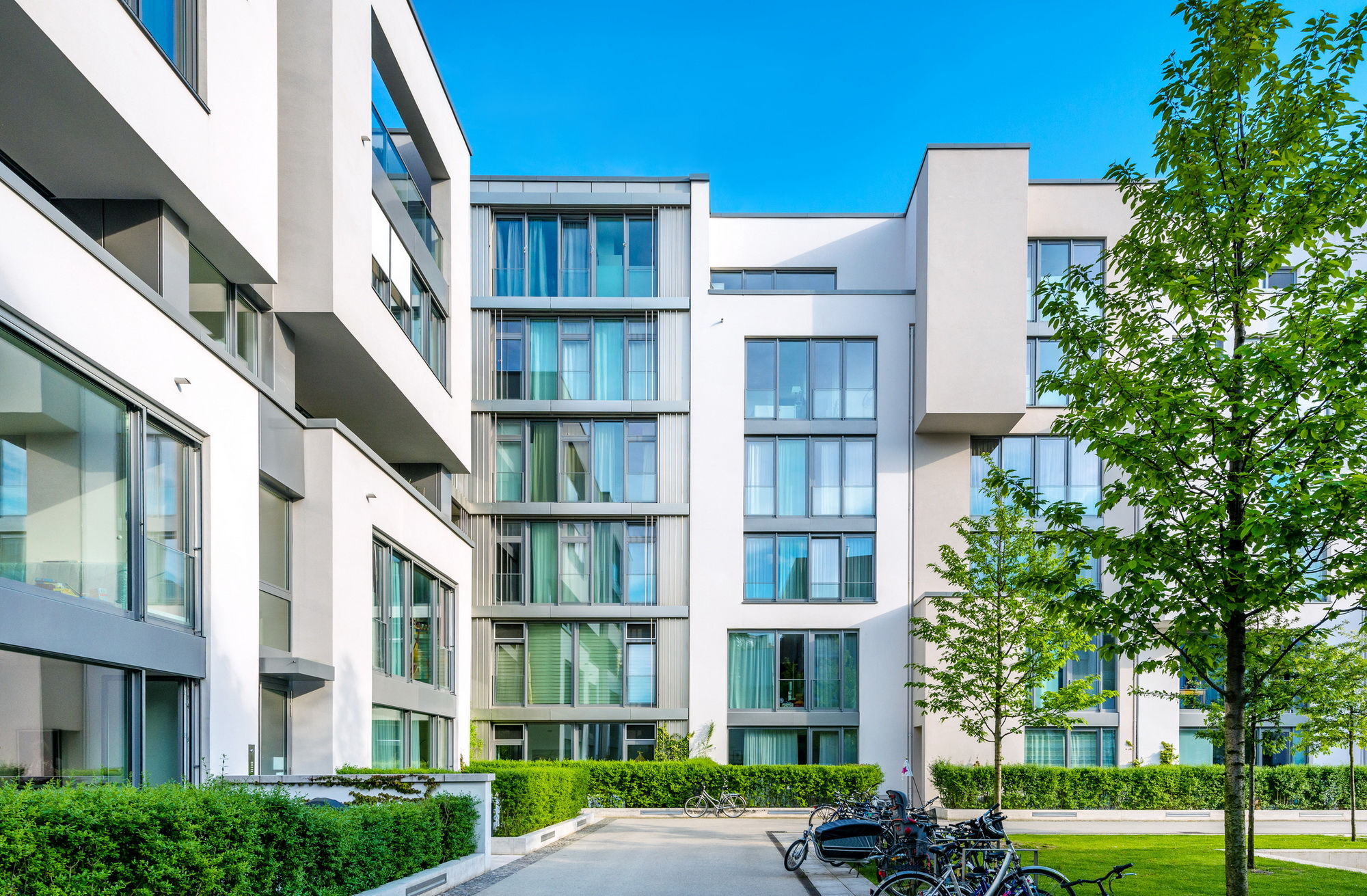
In strata schemes across Sydney, few issues create more confusion than common property.
Owners often assume responsibility sits elsewhere. Committees hesitate before approving works. Disputes arise over balconies, garages, and even windows.
So, what exactly is common property in strata, and why does it matter?
For Owners Corporations and committees in Sydney and Parramatta, clarity here protects budgets, compliance, and building value.
What Is Common Property?
At its simplest, what is common property?
Under NSW strata law, common property refers to all areas of a strata scheme that are not part of an individual lot.
If it is not shown as part of a lot on the registered strata plan, it is generally common property.
That includes shared physical structures. It also includes certain services and infrastructure that support the building as a whole.
In practical terms, most common areas include:
-
Building exteriors
-
Roofs
-
Structural walls
-
Lifts
-
Foyers
-
Driveways
-
Stairwells
-
Shared gardens
-
Basement corridors
These common areas are owned collectively by the Owners Corporation. Responsibility for repair and maintenance follows that ownership.
What Is Considered Common Property in Strata?
The next question committees often ask is: what is considered common property in strata?
The answer depends on the registered strata plan. Generally, the following fall within a common area:
-
External walls
-
Boundary walls
-
Structural beams and columns
-
Common plumbing and wiring
-
Shared air-conditioning systems
-
Roof membranes
-
Fire safety systems
-
Entry doors (in many schemes)
In Sydney apartment buildings, this also often includes balconies, specifically the slab and waterproofing membrane. Tiles or surface finishes may differ. It depends on the plan.
Mixed-use buildings in Parramatta frequently present more complex layouts. Shared service risers, loading docks, and mechanical plant rooms almost always form part of common property strata.
Each scheme must check its strata plan. Assumptions cause problems.
Is a Garage Common Property in Strata?
One of the most searched questions is: is a garage common property in strata?
The answer varies.
In many Sydney strata schemes, basement parking spaces are common property with exclusive use rights granted to a lot owner. That means the Owners Corporation owns the structure, including concrete slab and line markings. The lot owner has the right to use the space.
In other schemes, garages may form part of the lot boundary. You must review the registered strata plan and any by-laws granting exclusive use.
Where parking is common property, the Owners Corporation remains responsible for structural maintenance. Surface damage caused by a lot owner may still fall back to that owner.
Clarity avoids disputes.
Grey Areas That Cause Confusion
Strata disputes rarely arise over foyers or lifts. They arise over boundaries.
Here are the areas that often cause uncertainty in common property strata schemes:
Balconies
Structural slab and waterproofing are usually common property. Surface tiles may be lot owner responsibility.
Windows
External window frames are commonly common property. Internal glass panes may vary.
Pipes
Shared vertical pipes servicing multiple lots are common property. Internal pipes servicing one lot are often lot responsibility.
Doors
Entry doors to lots are frequently common property because they affect fire safety and building appearance.
Exclusive Use Areas
Courtyards or parking spaces granted under by-law remain common property, even if one owner uses them exclusively.
Each Sydney building may differ. The strata plan always governs.
Who Maintains Common Property?
The Owners Corporation carries the legal duty to repair and maintain common property.
That obligation is ongoing. It is not discretionary.
In practice, this means:
-
Scheduling routine inspections
-
Approving capital works
-
Budgeting for future replacement
-
Addressing defects promptly
-
Coordinating contractors
Professional strata management services play a key role here. Experienced managers ensure compliance with NSW requirements and prevent reactive spending.
In growing precincts such as Parramatta, where high-rise developments continue to increase, proactive oversight is critical.
Deferred maintenance increases levies later.
Why Common Property Matters to Owners Corporations
Clear identification of common property strata protects the financial position of the scheme.
If responsibility is unclear, costs shift unfairly. That creates conflict. It also delays essential repairs.
Well-managed schemes in Sydney maintain:
-
Updated capital works funds
-
Accurate strata plans
-
Clear by-laws
-
Transparent maintenance records
When committees partner with experienced firms like Strata United, oversight improves. Strategic planning replaces guesswork.
Common Property in Residential vs Mixed-Use Buildings
Residential schemes typically focus on:
-
Shared recreational spaces
-
Pools
-
Gardens
-
Lifts
Mixed-use buildings in Sydney CBD or Parramatta often include:
-
Retail frontages
-
Shared loading docks
-
Plant rooms servicing both residential and commercial lots
-
Shared car parks
The scope of common areas expands significantly in mixed-use developments.
Coordination becomes more complex. Maintenance schedules must reflect commercial operating hours and safety standards. This is where structured strata oversight makes a difference.
Repairs and Maintenance of Common Property
Maintenance planning must be systematic. Reactive repairs cost more.
The Owners Corporation must address issues affecting common property promptly. That includes structural defects, waterproofing failures, and safety hazards.
Routine programs should cover:
-
Roof inspections
-
Lift servicing
-
Fire safety compliance
-
Facade assessments
-
Waterproofing reviews
Strata United provides structured Repairs and maintenance coordination across Sydney and nearby suburbs. That coordination reduces risk.
Reviewing Strata Plans and Documentation
If uncertainty exists, committees should obtain and review:
-
The registered strata plan
-
Any exclusive use by-laws
-
Registered strata forms
-
Previous repair records
Accurate documentation resolves most disputes before they escalate.
When to Seek Professional Advice
Questions about what is common property should not remain unresolved. Disputes often cost more than clarification. Professional advice is particularly important when:
-
Major defects are identified
-
Insurance claims arise
-
Waterproofing failures occur
-
Structural movement is detected
Strata United supports Owners Corporations across Sydney and Parramatta with structured compliance guidance.
If your scheme is underperforming, you may consider reviewing your current arrangements and Make the switch to a more proactive management structure.
FAQs
What is common property in NSW strata schemes?
Common property includes all parts of a strata scheme that are not part of an individual lot as shown on the registered strata plan. This typically includes shared structural components and common areas.
What is considered common property in strata apartment buildings?
In most Sydney apartment buildings, structural walls, roofs, shared plumbing, lifts, and foyers form part of common property strata. Always confirm via the strata plan.
Is a garage common property in strata?
It depends on the strata plan. Many basement car spaces are common property with exclusive use rights. The Owners Corporation retains structural responsibility.
Who pays for repairs to common property?
The Owners Corporation funds repairs through levies collected from lot owners.
Are balconies common property?
The structural slab and waterproofing membrane are commonly common property. Surface finishes may vary by scheme.
Final Thoughts
Clear definition of common property protects the building. It protects owners. It protects budgets.
Sydney strata schemes continue to grow in scale and complexity. That growth increases the importance of professional oversight.
Strata United supports Owners Corporations across Sydney and Parramatta with structured, proactive strata management.
If you need clarification about your scheme’s common property boundaries, contact us directly for guidance. Proper management today prevents disputes tomorrow.