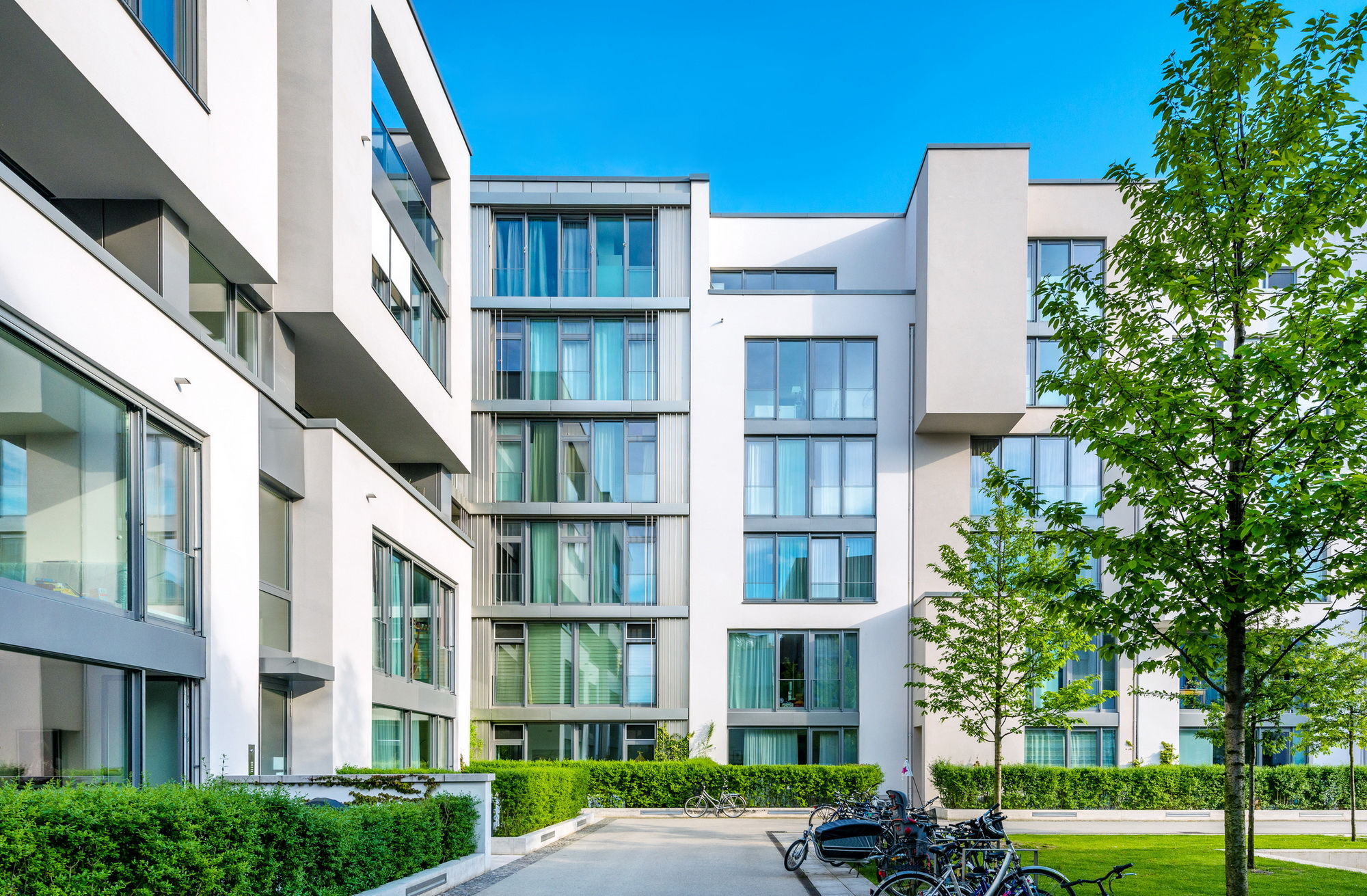
Strata building maintenance gets overwhelming when you’re not familiar with how responsibilities are shared across the property.
In NSW, there are strict legislations to follow and industry best practices to adhere to, in order to maintain a building’s safety, compliance, and efficient functionality.
Let us break down how strata repairs work, how strata property maintenance is carried out, and who is responsible for what.
What is a Strata Building and How is Maintenance Classified?
A strata building is any property that has been divided into individual lots and has shared spaces known as common property. Apartments, townhouses, or mixed-used buildings can be strata buildings.
In NSW, when owners buy a lot, they take responsibility for everything inside their unit, and the Owners Corporation manages and maintains anything that forms part of the building’s shared structure.
These responsibilities fall under what the industry refers to as strata works and strata maintenance.
-
Strata works — any physical work, such as repairs, upgrades, or improvements, carried out on common property.
-
Strata maintenance — refers to the ongoing upkeep needed to keep the building safe, compliant, and functional over time. This can include both scheduled maintenance and reactive repairs.
Strata United supports Owners Corporations by coordinating these tasks efficiently and in full compliance with NSW legislation.
Learn more about how we support buildings across Sydney.
NSW Legislation that Impacts Strata Repairs
Strata repairs in NSW are guided by strict legislation to protect residents, owners, and the long-term integrity of the building.
The core obligation comes from Section 106 of the Strata Schemes Management Act 2015. It requires the Owners Corporation to properly maintain and repair all common property. Failing to do so can expose the Owners Corporation to legal and financial liability.
The only time an Owners Corporation can choose not to repair something is when a special resolution is passed — no more than 25% of owners vote against the decision.
But there are certain types of strata work that fall under additional legislation.
When the work involves structural changes, waterproofing, building defects, or specialist construction work, the Design and Building Practitioners Act 2020 and the Residential Apartment Building (Compliance and Enforcement Powers) Act 2020 set out requirements for qualified practitioners, regulated designs, compliance declarations, and the lodgement of plans through the NSW Planning Portal.
These laws are in place to ensure that critical works are compliant with NSW safety and construction standards, done properly, and documented correctly by accredited professionals.
Who is Responsible for Strata Repairs?
Repair responsibilities in a strata scheme are shared between the Owners Corporation, lot owners, the strata manager, and the building manager (where appointed). Knowing who is responsible for each area prevents disputes, delays, and unnecessary costs.
Owners Corporation Responsibilities
The Owners Corporation must act promptly when issues affect building safety, structure, waterproofing, or essential services.
Their responsibility typically includes:
-
Structural elements — external walls, slabs, beams, and foundations.
-
Strata roof maintenance — tiles, membranes, gutters, downpipes, and flashing
-
Major repairs and long-term maintenance — lifts, fire systems, waterproofing, and façade works
-
Shared building services — common hot water systems, electrical infrastructure, drainage, ventilation, and essential services
-
Common areas — foyers, driveways, car parks, gardens, and other shared facilities
Lot Owner Responsibilities
Lot owners repair and maintain everything inside their lot, unless the strata plan indicates otherwise. This generally includes:
-
Internal fixtures and finishes — carpets, paint, wardrobes, benchtops, and appliances
-
Plumbing and electrical fittings within the lot — tapware, internal pipes serving only that lot, lighting and switches
-
Doors, internal walls, and fittings that are not marked as common property
-
Wear and tear that is caused by normal use or damage caused the lot owner or their guests.
Strata Manager Responsibilities
Strata managers don’t physically execute on any repairs, but they play a key administrative and coordination role on behalf of the Owners Corporation.
Where repairs and maintenance are concerned, their responsibilities are:
-
Coordinating repairs after the Owners Corporation approves them
-
Engaging licensed and qualified contractors for strata works
-
Managing quotes, approvals, and documentation
-
Maintaining compliance records, warranties, certifications, and service logs
-
Providing guidance on legislative requirements
Find more details on these roles through our Strata Management Services.
Building Manager Responsibilities
The building manager’s role complements the strata manager, but they focus on physical attendance and practical oversight. They are in charge of on-site operational maintenance:
-
Daily inspections of common areas, plant rooms, and essential systems.
-
Overseeing access for trades, contractors, and residents.
-
Monitoring safety risks and reporting issues before they escalate.
-
Coordinating onsite work and making sure contractors follow building rules.
What are the Different Types of Strata Repairs and Maintenance?
Strata schemes manage several categories of repairs and maintenance. Each category has its own process, urgency, and budget implications.
Reactive Maintenance (Urgent Repairs)
Urgent repairs must be reported as soon as possible by residents, and they often require attention from an emergency contractor. Delays may expose the Owners Corporation to liability.
Under NSW legislation, the Owners Corporation must act quickly when faults impact safety, structure, or essential services. Examples of urgent repairs include:
-
Burst pipes or water leaks that affect multiple lots.
-
Electrical faults, including outages or damaged wiring in common areas.
-
Structural risks such as cracking, movement, or unstable building elements.
-
Safety hazards, including broken glass, fire system failures, or trip hazards.
Preventive and Scheduled Maintenance
Structured maintenance reduces costs over time and helps avoid reactive emergency spending. A scheduled upkeep also ensures that the strata scheme meets safety and compliance requirements.
Key scheduled maintenance tasks include:
-
Fire safety systems servicing and annual fire safety statements.
-
Lift servicing according to manufacturer and regulatory standards.
-
Roof inspections, especially after heavy weather.
-
Garden and grounds upkeep, including pruning, cleaning, and waste management.
-
Strata roof maintenance, such as clearing gutters and checking membranes.
-
Strata long-term planning, including asset registers and maintenance forecasting.
Capital Works and Major Projects
These works often require specialist consultants, detailed scopes, multiple quotes, and formal approval from the Owners Corporation.
Capital works refer to significant upgrades to a building or replacements that fall outside of routine repairs. These projects are meant to improve the building’s condition, maintain compliance, and support long-term value.
Common capital works include:
-
Painting cycles for external walls, common areas, and protective coatings.
-
Balcony upgrades, including balustrades, tiles, and drainage improvements.
-
Façade repairs, such as render renewal, cladding replacement, or crack remediation.
-
Waterproofing, especially for roofs, podiums, planter boxes, and wet areas.
-
Funding major projects through the capital works fund, as required under the Strata Schemes Management Act.
When to Contact a Strata Manager for Repairs
Urgent vs Non-urgent Issues
Lot owners and residents have to contact the strata manager for urgent repairs that involve safety hazards, structural concerns, or essential service interruptions. For non-urgent matters, like minor wear and tear or routine requests, they should also be reported promptly so they can be scheduled appropriately.
When Lot Owners Should Report Issues
Whenever a problem affects common property, shared services, or any building element that falls under Owners Corporation responsibility, owners should notify the strata manager.
Early reporting allows the manager to assess the issue, determine its classification, and arrange qualified contractors if required.
What Evidence to Provide
To support efficient handling of repairs, owners should include:
-
Clear photos or videos of the issue
-
A short description of what occurred and when it was noticed
-
Any immediate risks
-
Access instructions for contractors
How Strata United Manages Repairs and Maintenance in Sydney
Strata United takes a structured, compliant, and transparent approach to strata building maintenance and strata repairs across Sydney and Parramatta.
Our service strengths include:
-
Adherence to the Strata Schemes Management Act 2015, WHS obligations, and all relevant building regulations.
-
Reporting transparency and consistent communication with the committee.
-
Fast coordination with trusted and licensed contractors.
-
Pro-active maintenance to reduce reactive repairs and unexpected costs.
-
Strategic budget planning.
Learn more about how we support strata schemes across Sydney, or contact us for more details.